Transportation: Ocean,Land
Place of Origin: CHINA
Port: SHANGHAI
Payment Type: L/C,Paypal
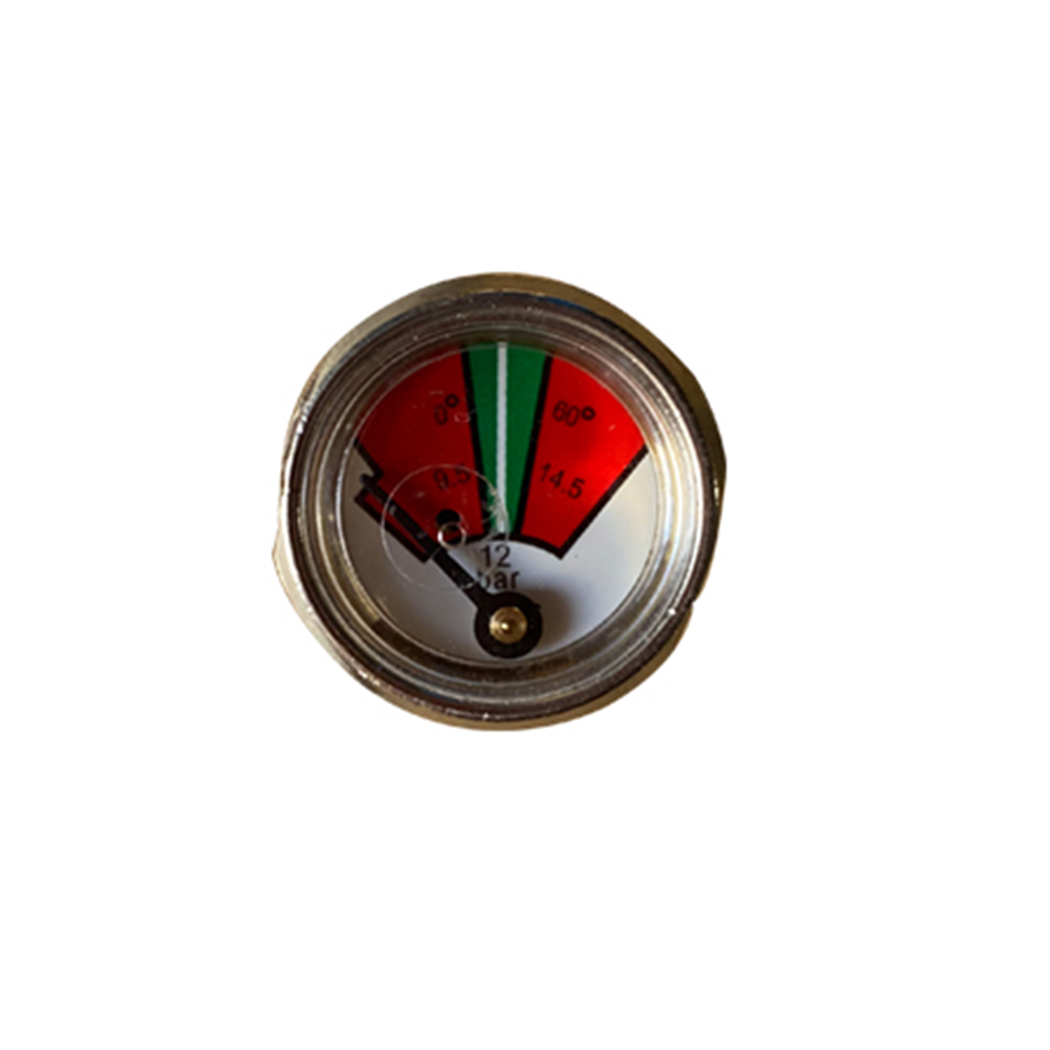
Pressure gauges are essential instruments used across industries to monitor and regulate pressure within a variety of systems. Whether used for water systems, HVAC applications, or gas operations, reliable pressure gauges ensure optimal performance, safety, and efficiency. These devices provide real-time pressure level data, allowing operators to make informed decisions and avoid potential failures. Designed with precision engineering and durability in mind, pressure gauges play a vital role in maintaining system integrity and operational reliability.
Key features of high-quality pressure gauges include accuracy, durability, easy installation, and compatibility with a wide range of media. Modern pressure gauges are often equipped with features such as corrosion resistance, temperature compensation, and digital readouts to enhance their functionality. They can be installed in a variety of locations and are suitable for both indoor and outdoor environments. These pressure gauges are also designed to be easy to calibrate and maintain, ensuring long-term performance and minimizing downtime.
Water system pressure gauges are specifically designed to measure pressure within pipes and water supply networks. It helps detect leaks, monitor pump performance, and ensure a steady flow of water. These pressure gauges are often made of rust- and corrosion-resistant materials, making them ideal for residential, commercial, and industrial water systems. Able to withstand varying pressure levels, they are an essential component in maintaining the efficiency of water supply and irrigation systems.
For heating, ventilation and air conditioning (HVAC) systems, pressure gauges are used to monitor refrigerant pressure, gas pressure, and other key parameters that affect heating, ventilation and air conditioning performance. These pressure gauges help technicians identify issues such as low refrigerant levels, clogged filters, or compressor failures. By providing accurate readings, they allow for timely maintenance and troubleshooting, ultimately improving energy efficiency and extending the life of HVAC equipment. Pressure gauges for HVAC applications are often integrated into diagnostic tools and are essential for proper system operation and comfort control.
In gas applications, pressure gauges are essential for monitoring the pressure of natural gas, propane, and other gas fuels. These pressure gauges are designed to handle high-pressure environments and are able to withstand extreme temperatures and chemicals. They are often used in natural gas pipelines, storage tanks, and industrial furnaces to ensure safe and efficient operation. Accurately measuring gas pressure is essential to prevent overpressure conditions, which can cause dangerous leaks or equipment failure. Pressure gauges for gas applications are often certified for use in hazardous environments and meet strict safety standards and regulations.
When selecting a
Pressure Gauge, it is important to consider factors such as the type of media being measured, the operating environment, and the level of accuracy required. For water systems, pressure gauges with stainless steel housings and diaphragm or Bourdon tube mechanisms are recommended. For HVAC applications, it is recommended to use a digital or analog pressure gauge with a wide measuring range and high sensitivity. In gas applications, a pressure gauge with an explosion-proof structure and a durable housing must be used to ensure safe and reliable operation.






 Contact Now